

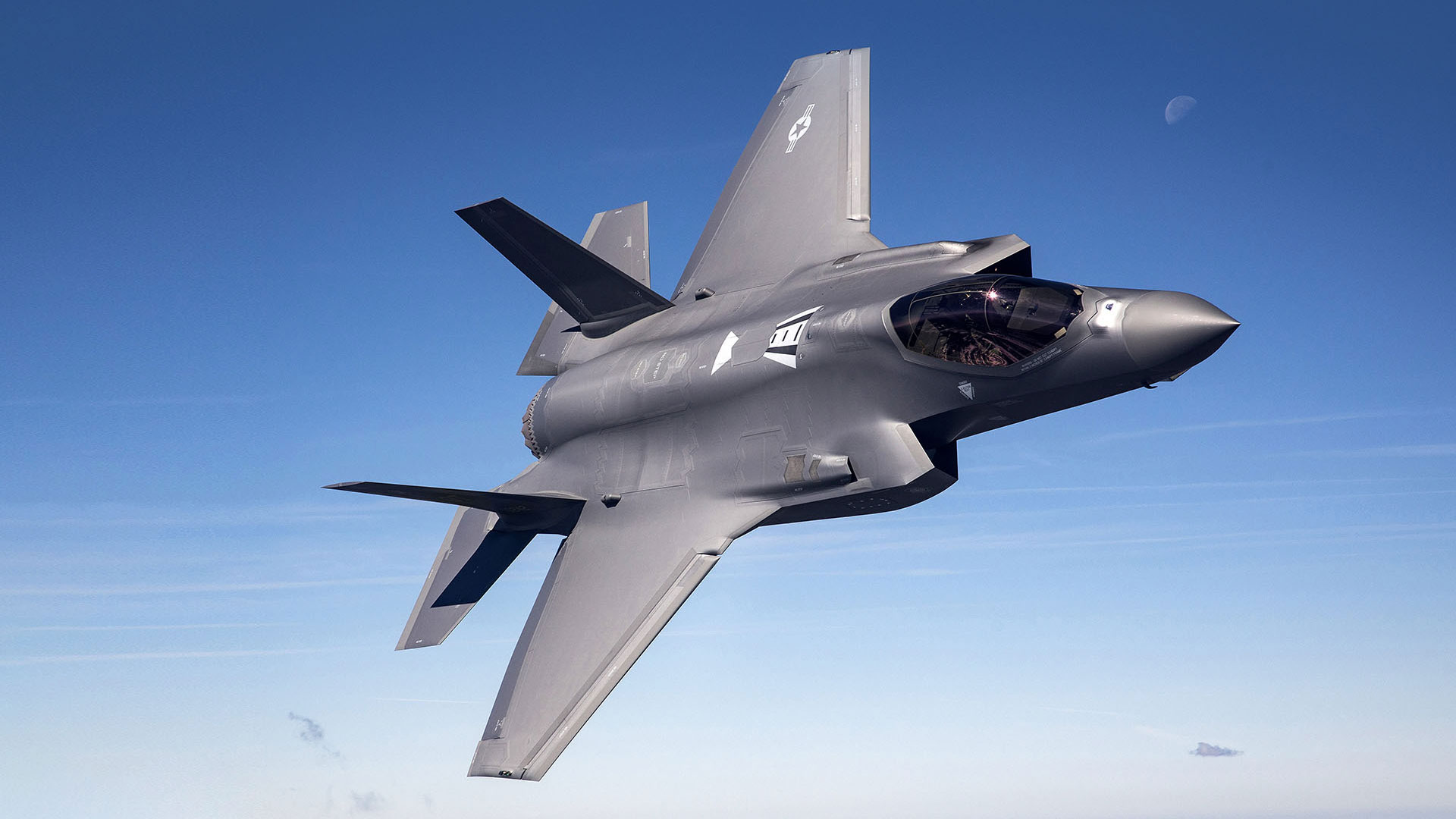

The New Rules of Speed: Why Sustained Flight Is the Real Hypersonic Frontier


Hypersonic capabilities are a key element of strategic, integrated deterrence, providing our customers conventional response options against adversaries that increasingly threaten our interests, allies and homeland.
The race for hypersonic speed has spent years obsessed with a single, dramatic metric: how fast can we go?
We see headlines celebrating Mach 5, Mach 10 or even faster. Inside defense industry engineering circles, that obsession is shifting toward a far more critical question: how long can we stay there?
Getting an object to hit Mach 5 isn’t new. Intercontinental ballistic missiles have been doing it since the Cold War. They launch high into space and fall back down to Earth at incredible speeds, following a predictable arc like a thrown baseball.
The real challenge, though, is building something that can fly at five times the speed of sound inside the atmosphere, hold that speed and maneuver when it needs to.
That shift from a short, explosive burst to sustained flight changes everything about how we at Lockheed Martin, design, build and launch high-speed capabilities.
The Problem with Air
Flying fast inside the atmosphere means dealing with air, and at Mach 5, air becomes a wall of heat and resistance.
When a vehicle pushes through the upper atmosphere at those speeds, the air in front of it compresses so violently that temperatures on the skin of the craft rocket past 2,200° F. At those temperatures, standard metals like aluminum or common titanium don't just weaken, they can melt.
To survive, engineers have had to abandon traditional metal airframes in favor of advanced heat-resistant materials like carbon-fiber composites and specialized ceramics, however, heat isn't the only issue. Flying high enough to avoid the thickest, most punishing air means the craft enters a very narrow altitude corridor. Go too low, and the intense air friction burns the craft up. Go too high, and there isn't enough air left to breathe.
Solving these extreme thermal and aerodynamic puzzles isn't something that happens overnight. It relies on long-term institutional knowledge.
"Designing for Mach 5 on a computer screen is one thing, but building high-temperature systems that survive real-world environments requires decades of hard-won knowledge," Johnathon Caldwell, Lockheed Martin vice president and general manager of Strategic and Missile Defense Systems, said. "Our nearly seven decades of advanced research, testing and integration are what allow us to solve these complex challenges with confidence."
Breathing the Air
That brings us to the engine. For example, traditional rockets carry their own oxygen in massive, heavy tanks. That works for getting into space, but it makes the vehicle heavy and limits how long it can operate in normal flight.
To solve this, designers rely on air-breathing engines called scramjets. A scramjet has no moving parts, with no spinning fan blades or turbines like a commercial airliner. Instead, the incredible speed of the craft forces air directly into the front intake, where it mixes with fuel and ignites in a fraction of a second.
Because a scramjet scoops up oxygen from the surrounding atmosphere instead of carrying it in heavy tanks, the vehicle can be much lighter and fly much farther.
But there's a catch: a scramjet can't start from a standstill. That means a missile has to be ejected, or launched, before first-stage ignition. There are a number of ejection methods, including a cold-gas approach, hot launch or from an aircraft.

Changing the Game
Why go through all this trouble? Because sustained, maneuverable hypersonic flight changes the fundamental math of air defense and offensive strike.
When a standard ballistic missile is launched, radar systems pick up its high, arched path early. Computers can calculate exactly where it was launched and where it's going to hit long before it gets there.
A maneuverable, air-breathing craft flies lower, under the reach of long-range radar for much longer. Additionally, because it retains power throughout its flight, it can change direction mid-course. If a tracking system detects it over one point, it can turn toward another, leaving defense systems with almost no time to react or calculate where it is heading, meaning maneuverability is key.
Maneuverability at sustained hypersonic speeds is vital for both evading defense systems and executing successful strikes. Operating at significant standoff ranges, Lockheed Martin’s hypersonic systems maneuver to defeat advanced air defense networks, delivering high-precision strikes with near-zero early warning.
From Concept to the Factory Floor
Designing one of these engines for a single test flight is a monumental achievement. Turning that breakthrough into something producible is where the battle is being fought today.
Building these craft at scale requires an entirely new industrial setup. Modern factories must deploy robotic scanners to check composite materials for microscopic cracks that could tear a craft apart under extreme heat. They need massive high-temperature furnaces just to bake the heat-resistant coatings used on the outer skin. And they have to build these components so they can be adapted for different uses, whether launched from an aircraft, a ship or a ground station.
It is precisely at this intersection of production and readiness that theoretical engineering turns into operational defense.
"Having a great design doesn't help the warfighter if it stays stuck in development," said Jon Hill, vice president and general manager, Air Dominance and Strike Weapons, Lockheed Martin Missiles and Fire Control. "What matters today is that we have proven systems and the mature manufacturing capacity ready to deliver high-quality hardware to the warfighter at speed."
Beyond the Headlines
The headlines will likely keep focusing on top speeds and flashy flight tests. Ultimately, the future of high-speed flight won't be won by the team that touches Mach 5 for a few seconds. It will be won by the engineers who figure out how to keep an engine burning in extreme conditions, manage relentless heat and build those systems reliably on an assembly line.
Our Lockheed Martin engineers and teams are doing just that.
Speed gets you into the air, but endurance, as well as the capability to field it, is what keeps you there.